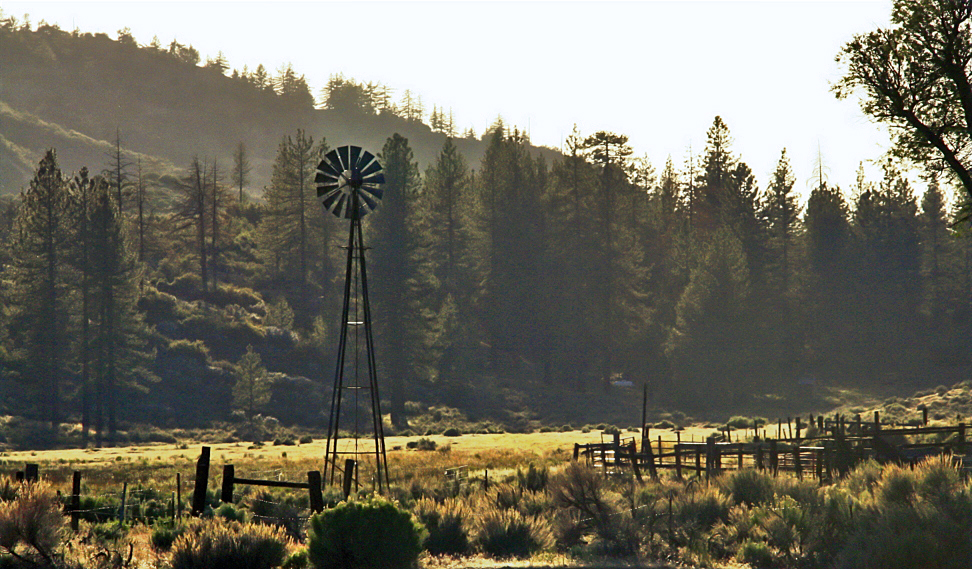
Los Padres National Forest · Designated Wilderness
Chumash Wilderness
More than 38,000 protected acres of rugged canyons, ancient rock formations, and pinyon-juniper woodland in the Los Padres National Forest.
Mutau Flats · Los Padres National Forest
The Chumash Wilderness was designated by Congress in 1992. It protects roughly 38,000 acres of high-country terrain within Los Padres National Forest. It spans the high country around Mt. Pinos, Sawmill Mountain, and Grouse Mountain — one of the quieter backcountry areas in Southern California.
There are no developed facilities inside the wilderness boundary. Most visitors come for the solitude, the high-elevation hiking, and the long views across the San Emigdio range.
Landscape & ecology
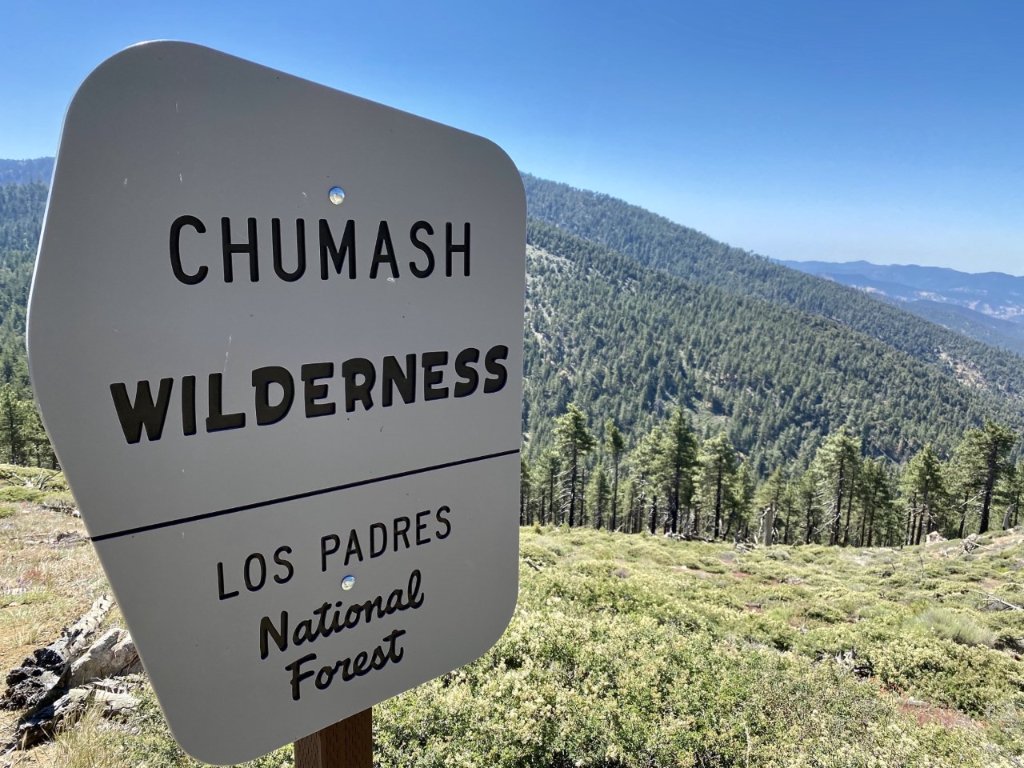
The wilderness ranges from pinyon-juniper woodland at lower elevations to Jeffrey and lodgepole pine near the Mt. Pinos summit. Ridges drop into steep canyons cut by seasonal drainages, and sandstone outcrops break through the forest.
It is critical habitat for the endangered California condor, North America’s largest land bird. Mule deer, gray foxes, black bears, and golden eagles are also present. Spring brings Indian paintbrush, lupine, monkeyflower, and California poppy to the meadows and trail edges.
What you can do here
- Hiking and backpacking on backcountry trails, including the Vincent Tumamait Trail along the San Emigdio crest.
- Wildlife watching — California condors, mule deer, gray foxes, and golden eagles.
- Spring wildflowers: Indian paintbrush, lupine, monkeyflower, and California poppy.
- Stargazing on clear, moonless nights, where light pollution is low.
- Photography among the pinyon-juniper woodlands, rugged canyons, and rock formations.
Cultural significance
The wilderness is named for the Chumash people, who have lived in and stewarded this region for thousands of years. The area remains significant to Chumash communities today. Treat archaeological sites, rock art, and artifacts with respect — observe, do not touch, and leave everything in place.
Before you go
- No restrooms, drinking water, or developed campgrounds inside the wilderness boundary. Carry in what you need and carry it all back out.
- A free California Campfire Permit is required for any stove use, and seasonal fire restrictions are common. Check with the Mt. Pinos Ranger District first.
- Cell service is limited or unavailable. Let someone know your route and expected return.
- Travel in small groups, stay on durable surfaces, and leave rocks, plants, and artifacts where you find them.
- Late spring brings wildflowers and mild days; summer mornings are cool and clear; fall is crisp; winter covers the high country in snow — plan and pack accordingly.
Where the wilderness lies
The Chumash Wilderness sits high in the Los Padres National Forest, bordered by Mt. Pinos, Pine Mountain Club, and Lockwood Valley.
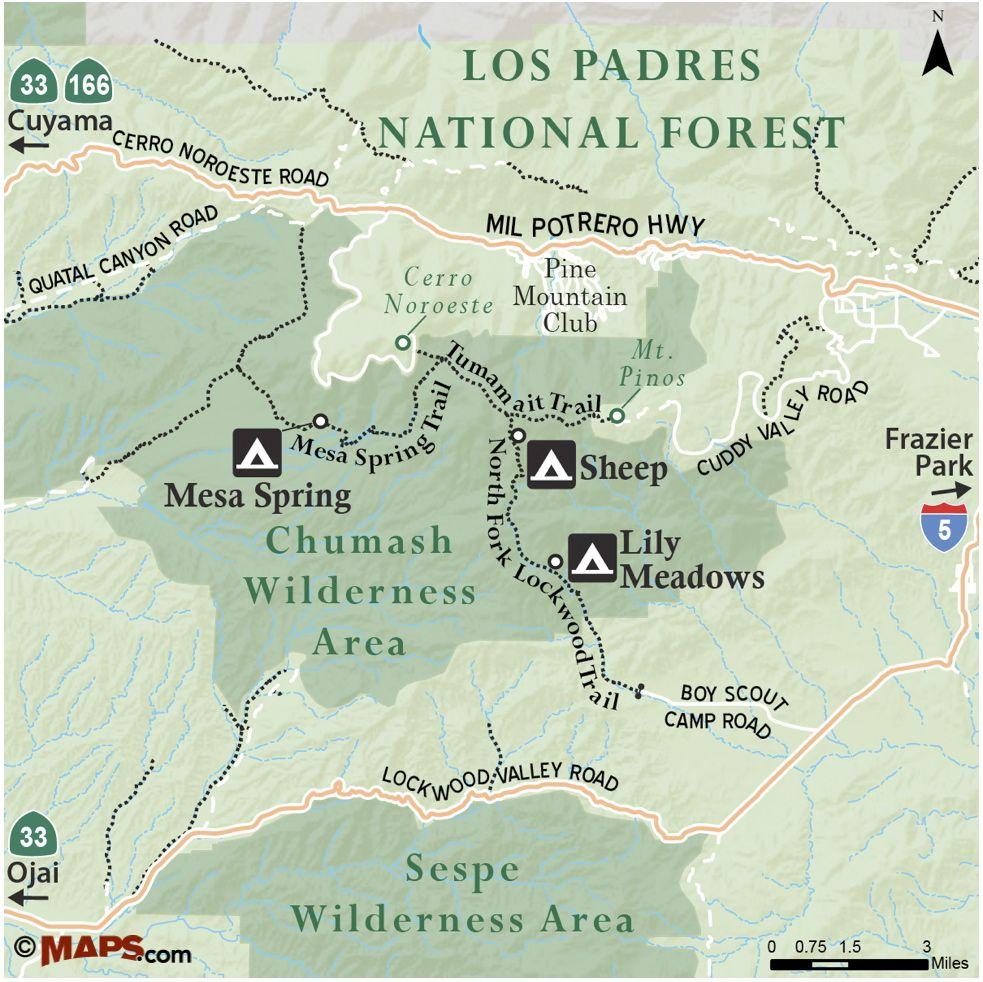
The Mt. Pinos and McGill trailheads are the most common ways in. See the Hikes & Trails guide for trailheads, distances, and ranger contacts.
Hikes & Trails guide