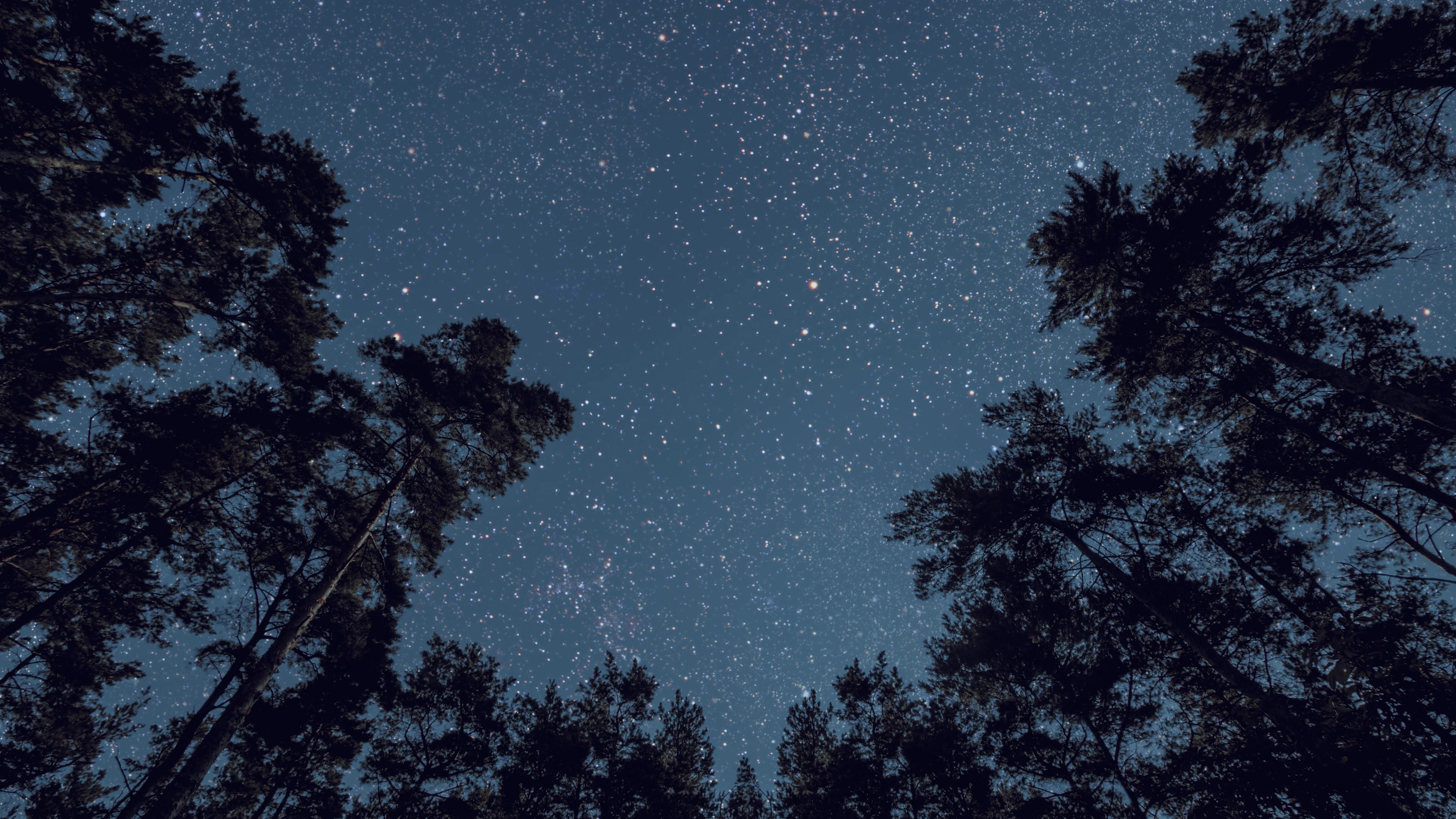
On clear, moonless nights, the sky over Mt. Pinos opens up. At 8,831 feet the summit sits above much of the coastal fog and valley haze, and the area is popular with amateur astronomers. You don’t need a telescope to enjoy it — just a clear night and a red flashlight.
Conditions can change quickly at high elevation. Before leaving, check the weather, seasonal road conditions, fire restrictions, and current Los Padres National Forest notices.
Why Mt. Pinos is popular with stargazers
Mt. Pinos rises to 8,831 feet in the Los Padres National Forest, high enough to sit above much of the coastal fog and the haze that can pool in the valleys. The combination of altitude, distance from city light, and a parking area near the top has made the area popular with amateur astronomers for decades.
On clear, moonless summer nights, astronomers often gather in the lot, and many are happy to share a look through their eyepiece if you ask before approaching their equipment. On a good night the Milky Way can be visible to the naked eye.

Jeffrey pine forest atop Mt. Pinos
When to go
Astronomers tend to gather on new-moon weekends in summer, when the sky is darkest — but conditions vary with weather, moonlight, smoke, and seasonal road access. Winter nights can be darker and quieter, but the summit is above 8,000 feet and temperatures drop fast after sunset year-round. Check the moon phase before you drive up; a bright moon washes out the fainter stars.
Where to set up
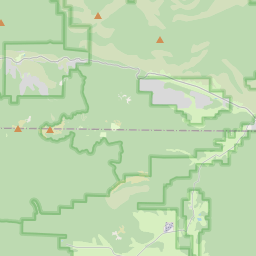
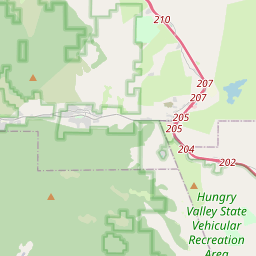
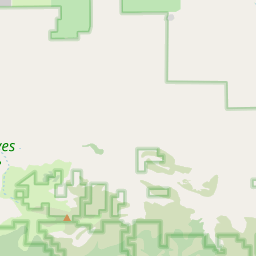
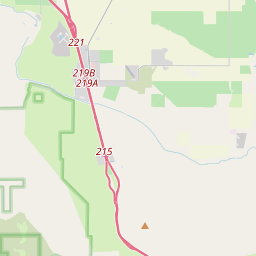
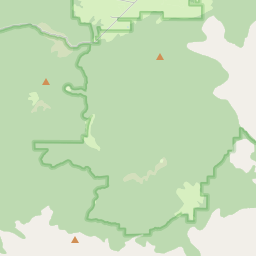
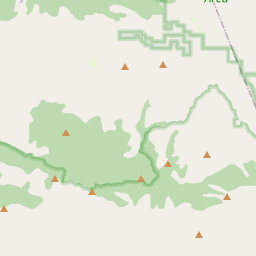
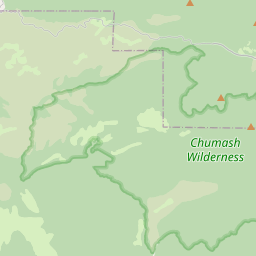
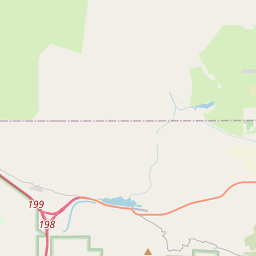
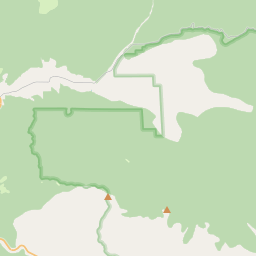
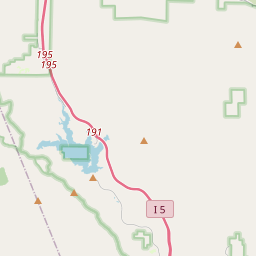
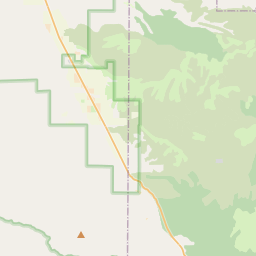
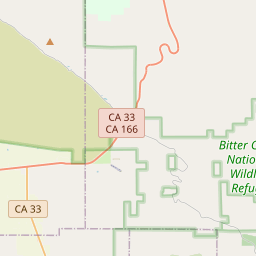
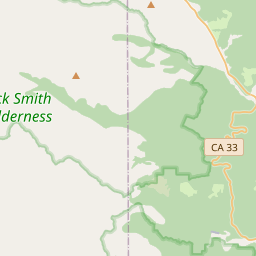
The parking area at the end of Mt Pinos Road is the main gathering spot when conditions allow. Below the summit, the open meadows of Cuddy Valley can also offer good viewing with a shorter drive. Viewing quality depends on the night. The map below marks the summit area.
Dark-sky etiquette
A few habits keep the lot dark and everyone’s night vision intact.
Arrive before sundown
Set up while there's still light. Arriving after dark disrupts everyone already observing.
Park your headlights away
Point headlights away from the group. One flash of white light ruins night vision that takes 30+ minutes to build.
Use red light only
Red-filtered flashlights and headlamps preserve night vision while letting you see your gear.
Dim your interior lights
Turn your car's interior and dashboard lights all the way down — small lights add up.
What to bring
- — A red-filtered flashlight or headlamp.
- — A blanket or lawn chair for lying back and looking up.
Finding Mt. Pinos
From Frazier Park, take Mt Pinos Road west toward the summit. Road access can be affected by winter weather — check conditions before you go.